A good restaurant idea is not a restaurant concept yet
A restaurant concept becomes real when the food, guest, price point, location, service model, physical space and economics all support the same idea.
That is where concept development gets harder than naming a cuisine and designing a room. A restaurant can be creative and still be wrong for its market. It can be busy and still be unprofitable. It can look great and be nearly impossible to operate.
The development process should answer those questions before the lease, build-out and payroll make them expensive to change.
Step 1: Define the concept clearly
Start with four questions. If the answers are vague, the concept is still too vague.
- Who is the primary guest?
- What are you serving, at what price point?
- Why will that guest choose you instead of another option?
- When and where will the concept do most of its business?
Know the guest without inventing a persona
You do not need a fictional customer profile with a name and a favorite podcast. You do need to understand the people who are likely to use the restaurant: what occasions bring them out, what they are comfortable spending, what they already have nearby and what would make them return.
- Primary dining occasions: lunch, happy hour, date night, family dinner, late night, celebrations
- Typical spend and price sensitivity
- How often the guest is likely to visit
- Where the guest lives, works or spends time
- What they value most: convenience, quality, atmosphere, novelty, familiarity or status
Define the menu philosophy, not just the cuisine
"Italian," "sports bar" or "modern American" is not enough. The menu needs a point of view. Decide how broad it will be, how much technique it requires, what the kitchen can execute at volume and where the beverage program fits.
- Cuisine and flavor direction
- Menu size and level of specialization
- Target average check
- Lunch, dinner, brunch or late-night relevance
- Bar-forward, wine-led, beer-led or food-led positioning
- Dietary flexibility that makes sense for the market
- Seasonality and sourcing where it meaningfully supports the concept
Be able to state the reason to choose you
Differentiation does not have to mean a never-before-seen idea. It can be a better fit for the occasion, a more focused menu, a stronger value proposition, a more memorable room, better beverage, or simply a gap that the market has not filled well.
The useful question is: at the same price point and for the same occasion, why would the target guest pick this restaurant?
Step 2: Test the market before you fall in love with the idea
Concept development without market work is guessing. Before committing to the direction, understand the trade area, competitive set and demand.
Trade area
The relevant trade area varies by concept. A neighborhood lunch restaurant may draw from a relatively tight radius; a destination steakhouse, waterfront concept or entertainment-driven venue can pull from much farther away. Define the draw based on how people will actually use the restaurant.
- Residential and daytime population
- Income and household composition
- Traffic, parking, walkability and transit
- Hotels, offices, entertainment and other demand generators
- Population growth, planned development and seasonality
- Barriers that make the site harder to reach than it looks on a map
Competitive set
Look at both direct and indirect competition. A taco restaurant competes with other taco restaurants, but it also competes with every nearby place a guest might choose for a casual $25 dinner.
- Price point and average check
- Menu and beverage mix
- Seating, hours and service model
- Guest occasions they appear to own
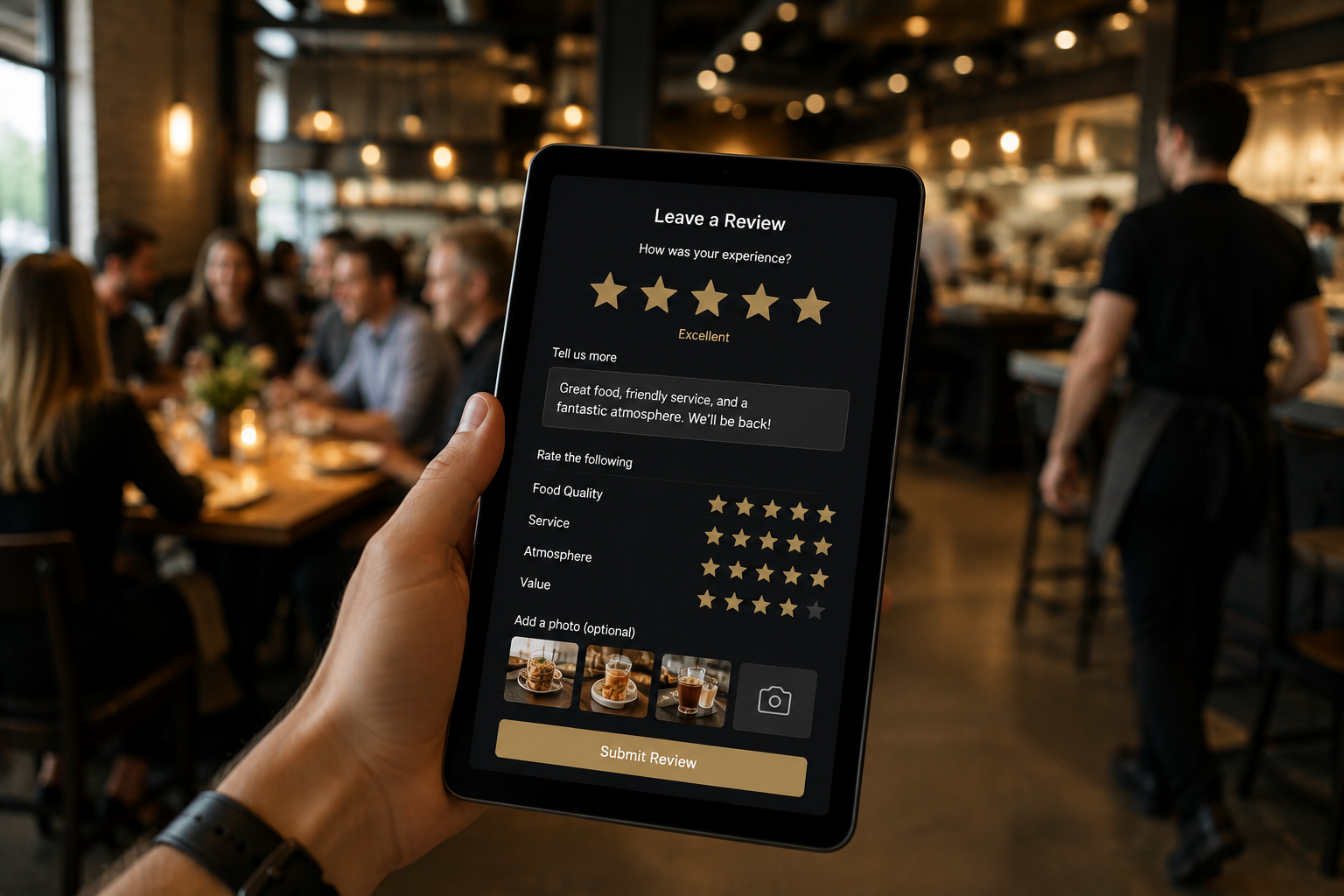
- Strengths, weaknesses and recurring review themes
- Signs of demand: reservations, wait times, event traffic and visible volume
The goal is not to prove that no competitor exists. In many cases, healthy competition confirms demand. The goal is to understand where there is room to be meaningfully better or different.
Step 3: Design the guest experience around the concept
Once the concept is clear, the brand and physical experience should reinforce it. This is where naming, interior design, music, lighting, service style, uniforms, menu design and digital presence start working together.
Brand identity
- Name and naming system
- Logo, color and typography
- Photography and visual style
- Voice and messaging
- Website, social media, reservation and discovery experience
The brand should make the concept easier to understand, not force the guest to decode it.
Physical space
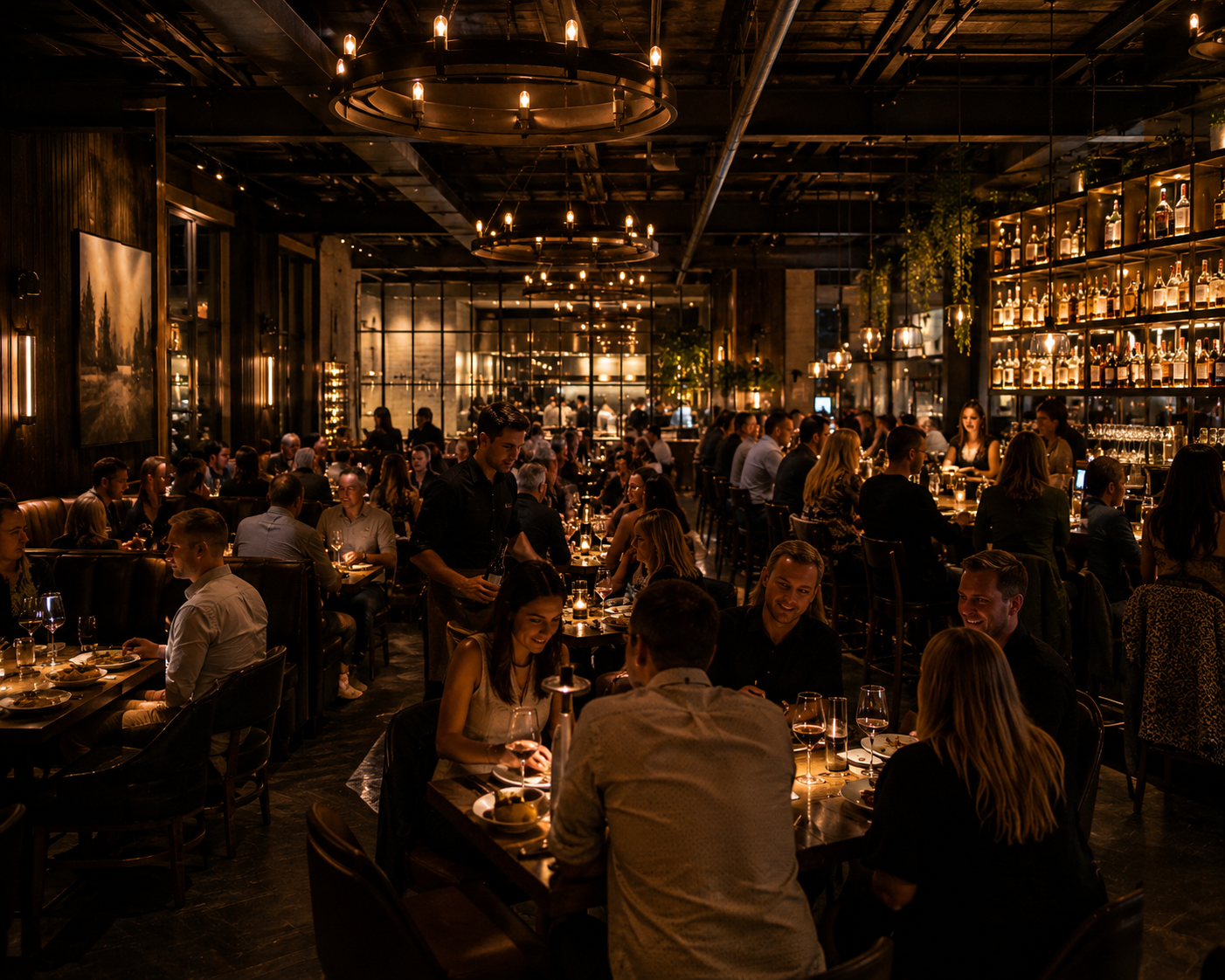
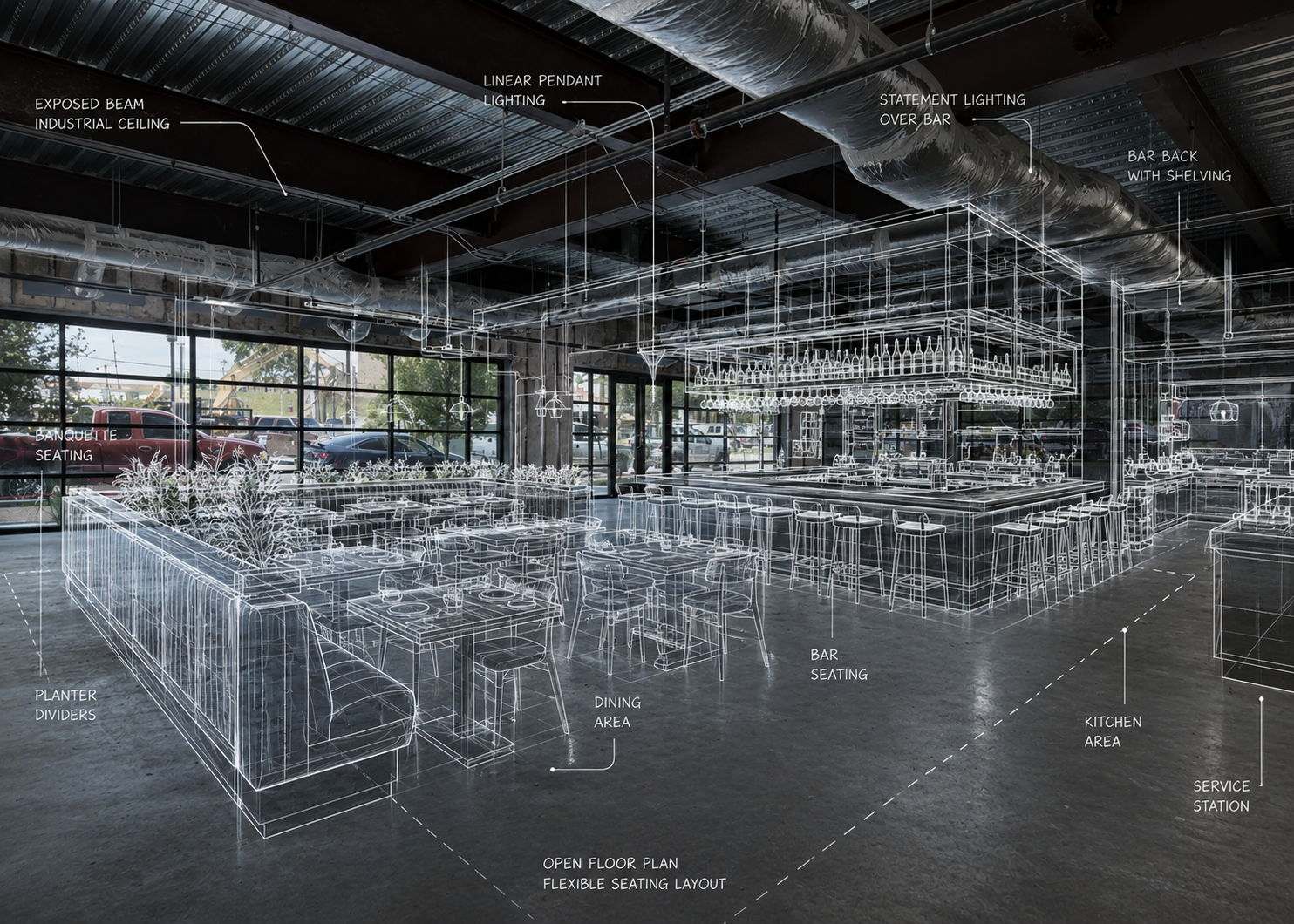
The room has to do two jobs at once: create the right feeling for the guest and work efficiently for the team.
- Seat mix and capacity
- Bar size, placement and visibility
- Kitchen size and relationship to the dining room
- Lighting and acoustics
- Guest circulation and waiting
- Server, food-runner and bus routes
- Patio and seasonal use
- Storage, receiving and the unglamorous spaces that determine whether operations stay organized
Service model
Service level affects labor, speed, check average and the feel of the restaurant. Choose it intentionally instead of defaulting to whatever seems normal for the cuisine.
- Fine dining / high-touch: high labor intensity, high check-building potential — special occasion, luxury, flagship
- Full service: medium-high labor intensity, high check-building potential — neighborhood, polished casual, casual upscale
- Counter / fast casual: low-medium labor intensity, moderate check-building potential — value, lunch-heavy, convenience-led
- Bar-forward full service: medium labor intensity, high beverage upside — sports bars, cocktail-led concepts, nightlife
- Hybrid: low-medium labor intensity, moderate check-building potential — cafes and concepts balancing speed with table touchpoints
Step 4: Develop the menu and prove the economics
Menu development is creative work and financial work at the same time. Every item should pass three tests:
- Guests want to order it.
- The kitchen and bar can execute it consistently at the expected volume.
- It contributes enough margin to support the business.
Cost every recipe before the menu is final
Ingredient cost, yield loss, trim, portion size and garnish all matter. Broad food-cost ranges can be useful for comparison, but a target percentage is not a substitute for recipe costing.
More importantly, look at contribution margin. A high-cost steak can still be an excellent item if the selling price produces strong dollars of contribution. A low-cost item can be weak if guests resist the price or if the kitchen spends too much labor producing it.
Use menu engineering after you have real sales data
Once the restaurant is open, compare item popularity with contribution margin. Protect the items that sell and earn, rework high-volume items with weak margins, improve the visibility of profitable underperformers and remove items that do neither.
Step 5: Build the operating system before opening day
The concept should be executable by a team, not dependent on the founder being in the building every hour. That requires basic systems before the doors open.
- Kitchen prep and production plans
- Recipes, portions and plating standards
- Inventory and ordering systems
- POS configuration and reporting structure
- Opening, closing and manager routines
- Food-safety and compliance procedures
- Hiring, onboarding and scheduling structure
- Weekly financial and operating review cadence
These systems do not need to be overbuilt. They need to make the operation repeatable, measurable and easier to correct when something drifts.
Step 6: Validate the capital and return before committing
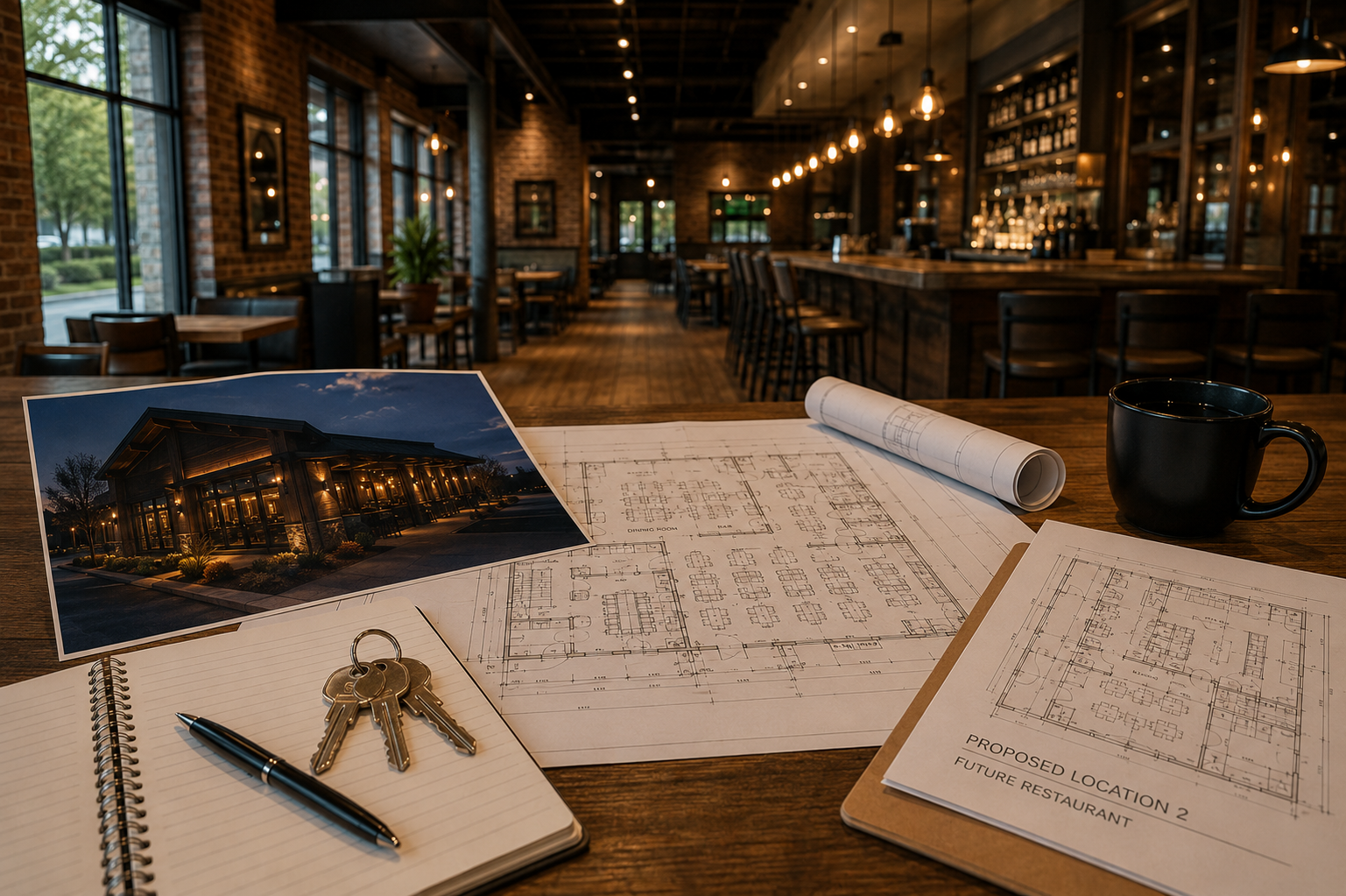
Before signing a lease or approving a major build-out, the concept should have a financial model that connects the operating plan to the project economics.
- Build-out, equipment, furniture and professional fees
- Pre-opening payroll, inventory and launch costs
- Revenue built from seats, turns, checks and realistic demand
- Labor and operating expenses based on the actual service model
- Working-capital reserve and opening-period cash burn
- Debt service or investor-return obligations
- Downside scenarios for slower sales, higher costs or delays
If the numbers only work when sales are exceptional, labor is perfect and the build-out stays on budget, the concept is not ready. The development process should surface that problem early enough to change the idea, the site, the size or the capital plan. Our guide on restaurant working capital covers how to size that reserve.
What a restaurant concept-development consultant should add
The value of outside guidance is not simply generating more ideas. It is creating a disciplined process that tests the idea from the guest, market, operating and financial sides at the same time.
At Newmark Concepts, concept-development work can include positioning, market analysis, menu and bar strategy, financial modeling, equipment and layout advisory, and pre-opening planning. The scope depends on what the project actually needs — see how it has played out in our case studies.