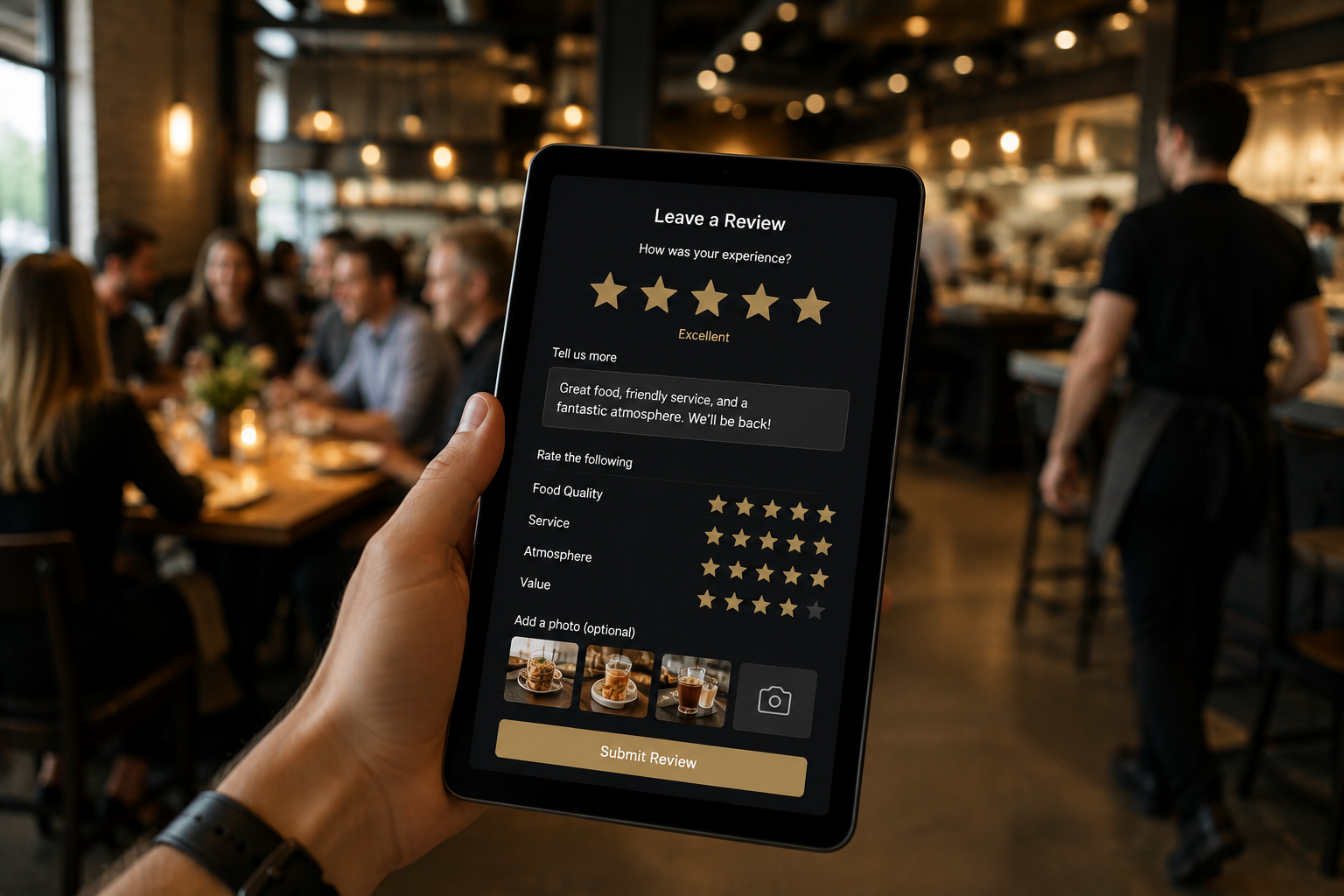
Some of the most useful one-star reviews are operations reports
Read enough negative reviews and you start seeing the same kinds of stories. The table was told the wait would be twenty minutes and it became fifty. Drinks took forever because the bar was buried. The kitchen was behind and nobody told the guest. The server disappeared during a shift change. The food may be part of the complaint, but often the review is describing a breakdown in the system around it.
That is why we do not think reviews belong only to marketing. They are a messy but useful record of what guests experienced, usually with a date, a time, and enough detail to compare against the operation.
The financial cost is mostly invisible
Reviews influence where people choose to spend money, especially when they are trying a restaurant for the first time, planning a group dinner, or making a reservation for an occasion. The difficult part is that lost demand never appears neatly on the P&L. The guest who chose the restaurant down the street never became a cover you can count.
That makes reputation easy to treat as a soft metric. It is not. Strong reviews help convert consideration into visits. Weak ratings and repeated complaints create friction before a guest ever sees the host stand. The effect is hard to isolate, but the business implication is straightforward.
Read reviews for patterns, not punishment
Owners tend to fall into one of two camps: they avoid reviews because the negative ones are frustrating, or they read every one and react emotionally to each individual complaint. Neither approach gets much value from the data. We would rather look for repetition.
- Repeated issue - Is the same complaint showing up across different guests and different dates? That is more likely to be systemic than a one-off bad night
- Time pattern - Are complaints concentrated on Friday nights, late evenings, league nights, brunch, or another specific operating window?
- Management pattern - Do reviews change depending on who is running the shift or which location the guest visited?
- Positive repetition - What do guests praise over and over? Those are parts of the experience worth protecting
- Positioning gap - Are guests excited about something the menu and marketing barely mention, or disappointed by something the brand heavily promises?
One bad review is an anecdote. Five reviews mentioning the same slow bar service on weekend nights is an operations problem with a paper trail.
Respond like future guests are reading, because they are
A review response is not only a conversation with the person who wrote it. It is also part of the page every future guest may read while deciding whether to visit. That is why defensive public arguments almost never help.
- Acknowledge the specific issue - A response should sound like someone read the review, not like a template was pasted
- Do not litigate the facts in public - Even when the guest is wrong, an extended argument rarely improves how the restaurant looks
- Take the detailed resolution offline when appropriate - But leave enough publicly to show that the issue was taken seriously
- Respond to positive reviews too - It should not look like ownership only appears when there is a fire to put out
- Use the review internally - If the complaint is credible, the response is secondary to fixing the process that created it
The operational fix matters more than the perfect response
We would rather see a restaurant fix thirty-minute ticket times than spend hours polishing language around complaints about thirty-minute ticket times. Review management is useful, but it sits downstream from the service and operating systems that generate the reviews.
When ratings slide, the answer is often somewhere in staffing, host-stand accuracy, kitchen pacing, bar throughput, management presence, training consistency, or communication with the guest when the restaurant is behind. A reputation problem and an operations problem can be the same problem viewed from two sides.