Guests remember how a room made them feel
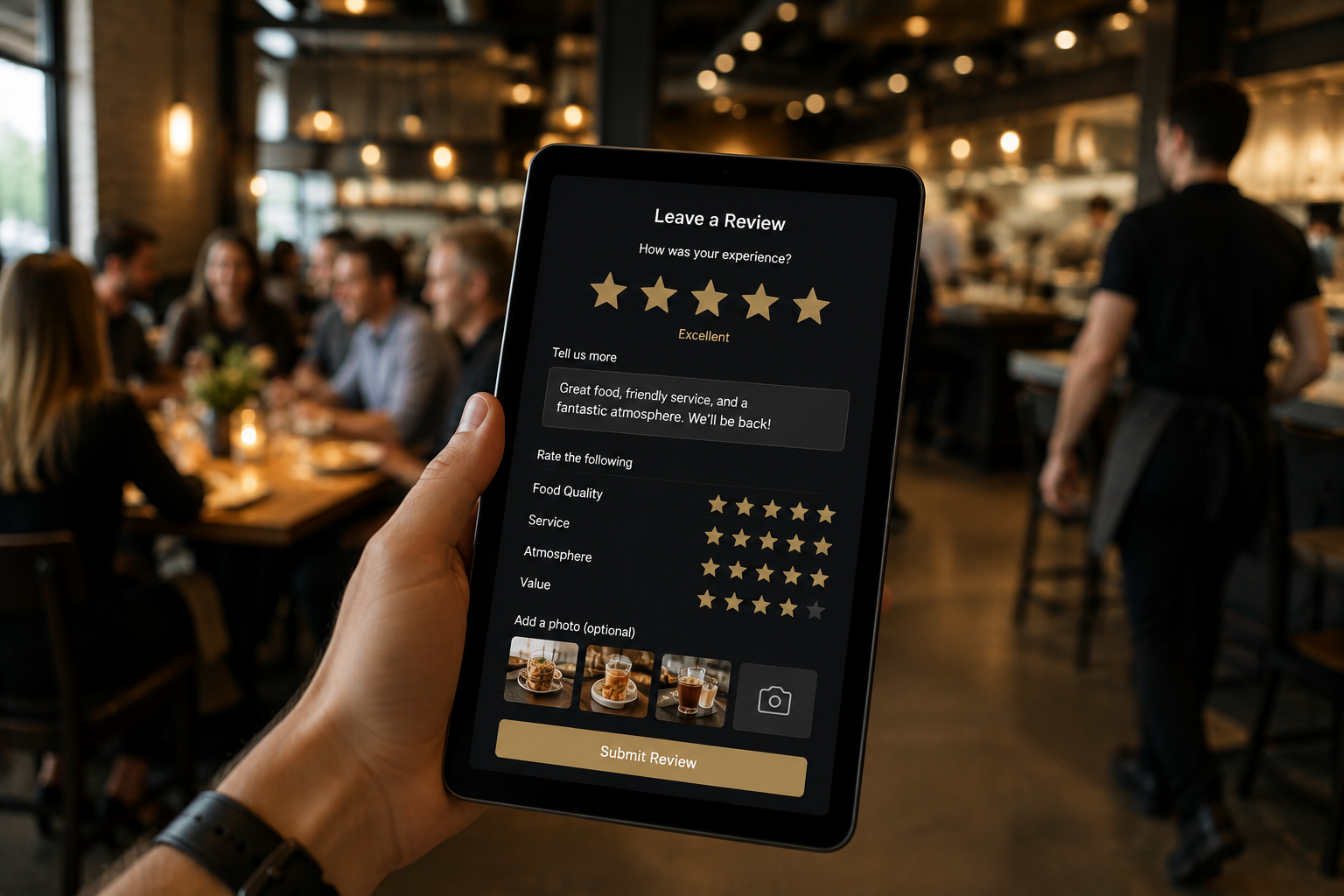
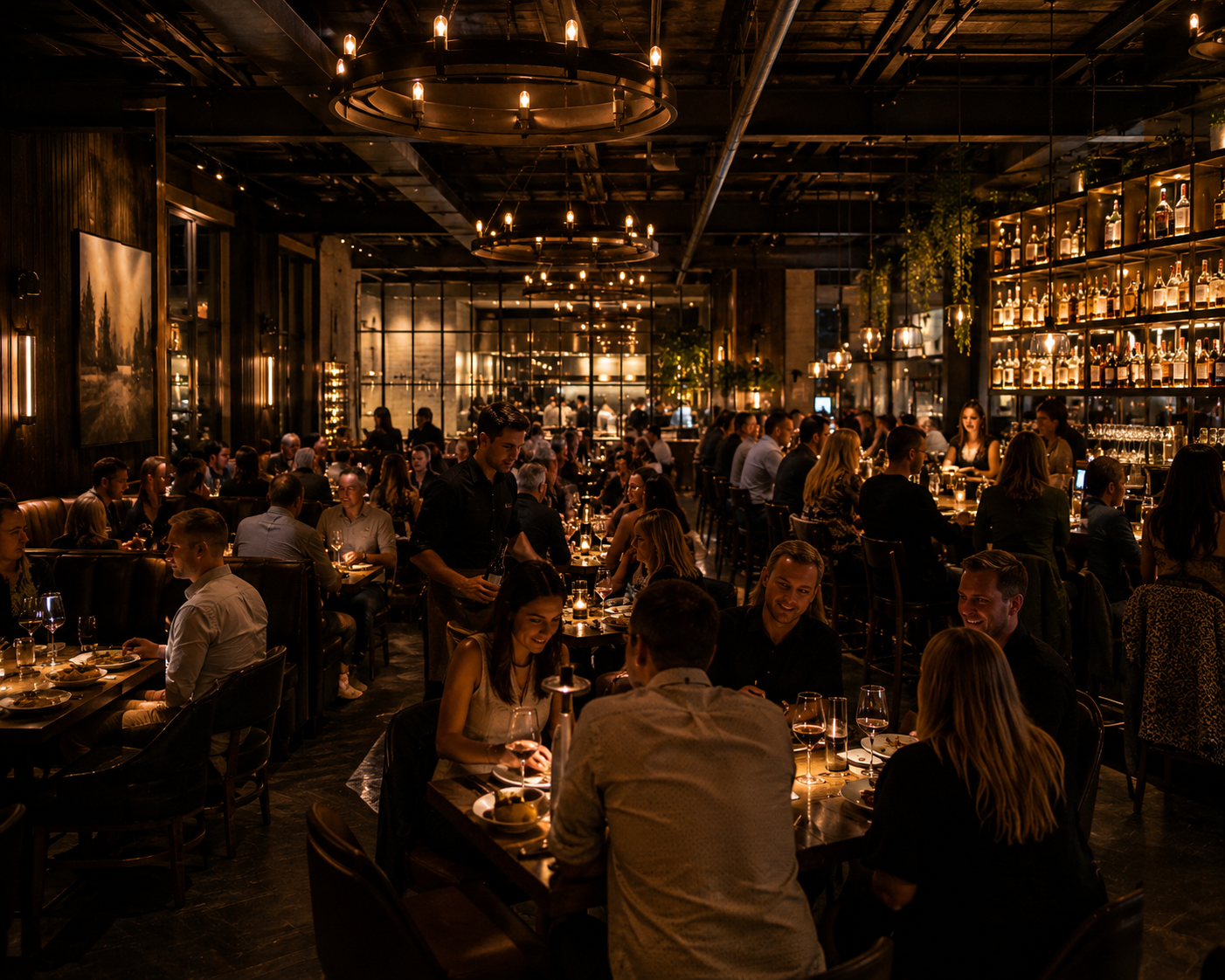
Ask someone to describe a favorite restaurant and the answer is rarely limited to the entree. They talk about the room. The lighting. The energy at the bar. Whether they could hear the person across the table. Whether the chairs were comfortable enough to stay for another drink. Whether the service felt calm or frantic.
Atmosphere is not decoration layered on top of the business. For many concepts, it is part of the product. The room is doing work every night whether the ownership team designed it deliberately or not.
Atmosphere is a collection of decisions, not a vague "vibe"
Words like warm, energetic, intimate, and upscale are useful starting points, but they are not design instructions. The feeling of the room comes from dozens of choices that guests may never consciously identify.
- Lighting - Brightness, color temperature, fixture placement, and how the room changes between lunch and dinner
- Acoustics - Hard surfaces, ceiling height, music, crowd noise, and whether guests and staff can communicate comfortably
- Seating and spacing - How close tables sit, how long the furniture encourages guests to stay, and how easily staff can move through the room
- Music - Genre, volume, and tempo can reinforce the occasion or fight it
- Materials and texture - Wood, stone, metal, upholstery, curtains, and other surfaces change both the visual feel and the sound of the room
- Staff presence and pacing - Service rhythm is part of atmosphere. A beautiful dining room can still feel chaotic if the floor is operating chaotically
Each of those decisions affects guest behavior in some way: how long people stay, how the room turns, what kind of occasion it feels right for, and whether the experience matches the price point.
Design for the occasion you are trying to own
A common mistake is trying to make one room perfect for every possible use. Quick weekday lunch, date night, family dinner, business meal, birthday party, late-night bar crowd - those guests do not all want the same environment.
- Destination dinner - Slower pacing, lower light, comfortable seating, and a room that feels better as the night goes on
- Neighborhood lunch - Brighter light, efficient circulation, and seating that supports a shorter visit without feeling cheap or rushed
- Bar-forward concept - Strong bar sightlines, enough acoustic energy to feel alive, and flexible seating for groups that change size during the night
- Family-friendly concept - Durable materials, forgiving acoustics, and circulation that can handle high chairs, strollers, and larger parties without turning the floor into an obstacle course
The room should be built around the guest you want on a Tuesday night, not only the guest you picture in the opening-week photography.
Beautiful design can create ugly operational problems
This is why we do not like separating restaurant design from restaurant operations. A bar can photograph beautifully and still have terrible sightlines to the service well or kitchen pass. An open room can look dramatic in a rendering and become deafening when 180 people are talking over hard surfaces on a Friday night. A statement fixture can become the wrong light for every plate that passes underneath it.
The best-looking solution and the best-functioning solution are not always the same. The work is getting them to meet. That is much easier before drawings are final and construction begins than after the restaurant has spent the money.
Not every atmosphere problem requires a renovation
Some of the highest-return changes are inexpensive because they adjust the way the room is used instead of rebuilding it.
- Change music by daypart - Lunch and late-night service should not automatically run the same playlist at the same volume
- Put lighting on a schedule - Let the room transition as natural light and the occasion change
- Add soft material where the room needs it - Upholstery, curtains, acoustic treatments, and even art can help a hard room sound and feel better
- Rework table spacing - A few feet in the right places can change server movement, guest privacy, and whether the room feels cramped or empty
- Coach service pacing - How the host, server, bartender, and manager move through the room is part of the experience too
The room is part of the reason the guest chooses you
When two restaurants serve comparable food at comparable prices, the room can be the difference. Atmosphere is hard for a competitor to copy because it is not one paint color or one light fixture. It is a hundred small choices working together: brand, layout, sound, hospitality, lighting, materials, pacing, and the way the place feels when it is full.
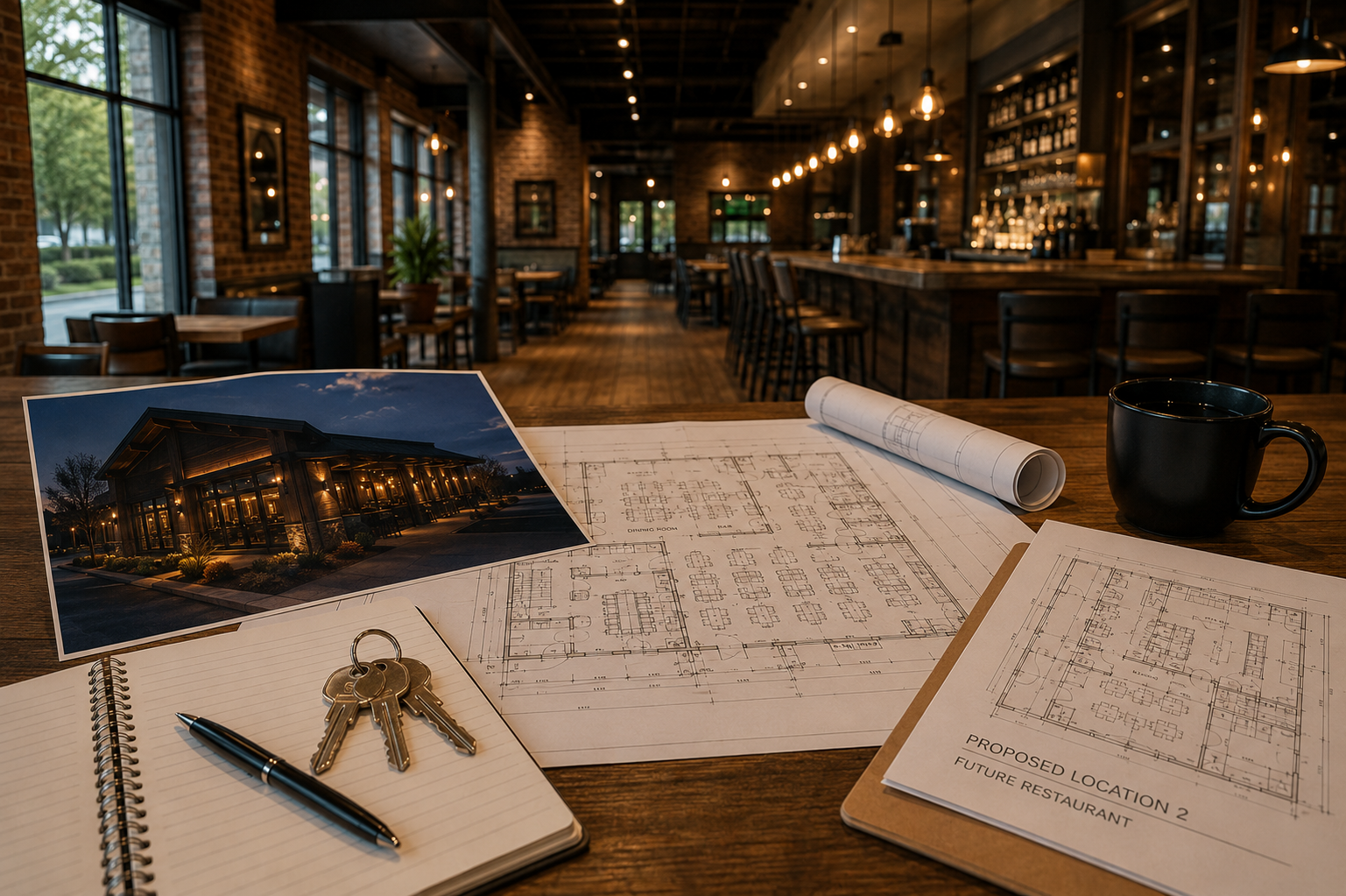
That is why we want the atmosphere conversation happening during concept development, alongside the menu, financial model, kitchen, service style, and guest occasion. The room should support the business the concept is trying to become, not fight it after opening.